Raccoon, Opossum, and Wildlife Removal in Broward County: Parkland, Weston, and Southwest Ranches
Broward County's western communities — Parkland, Weston, and Southwest Ranches — experience significant wildlife intrusion from raccoons, opossums, and other animals. Learn how professional wildlife removal works.
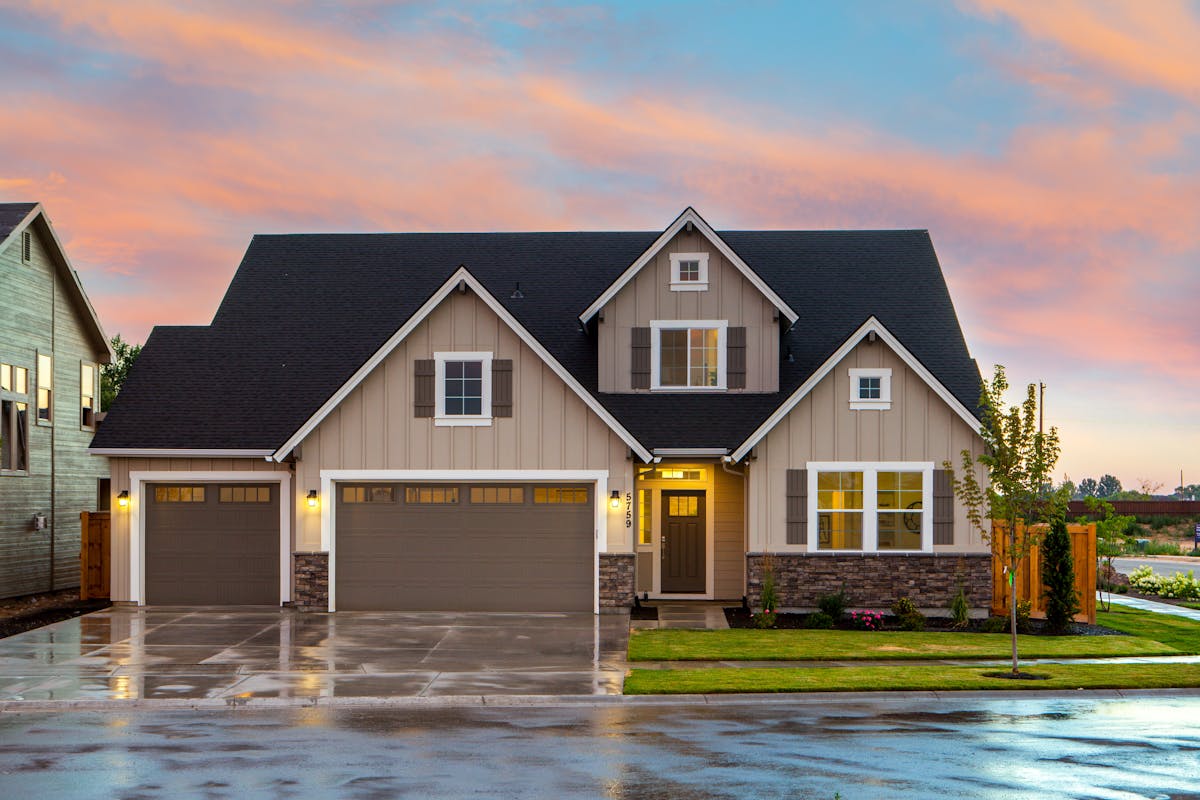
Wildlife Intrusion in Western Broward County
The western communities of Broward County — Parkland, Weston, Southwest Ranches, Davie, Cooper City, and Coral Springs — represent the suburban interface with one of the most biodiverse natural landscapes in North America. The Everglades ecosystem begins at Broward County's western edge, and these communities experience regular wildlife pressure from animals that move between natural and residential landscapes.
Unlike urban Fort Lauderdale where the most common wildlife complaints involve iguanas, the western Broward County communities deal with a broader range of wildlife species — most prominently raccoons and opossums, but also armadillos, foxes, coyotes, and a variety of bird species that create nuisance or structural problems for homeowners.
Raccoons in Broward County: Smart, Adaptable, and Destructive
The raccoon (*Procyon lotor*) is the most commonly encountered nuisance wildlife species in Broward County and throughout South Florida. Raccoons are extraordinarily intelligent, dexterous (they can open latches and containers), and highly adaptable to human-modified landscapes. In Parkland, Weston, and Southwest Ranches, they thrive in the lush residential environment and have largely lost their fear of humans.
Why Raccoons Are a Problem in Western Broward County
Attic and structure intrusion: Raccoons frequently enter attics through unprotected vents, gaps at the roofline, and uncapped chimneys. A mother raccoon seeking a denning site for her young is extraordinarily persistent. Once inside, raccoons damage insulation (using it as nesting material), soil the attic with urine and feces, and can damage ductwork and wiring.
Raccoon roundworm: The most significant health concern associated with raccoons in Broward County is *Baylisascaris procyonis* — the raccoon roundworm. Raccoon feces containing roundworm eggs can be infectious to humans if accidentally ingested. Attic spaces contaminated with raccoon feces require professional remediation, not just removal of the animals.
Property damage: Outside the attic, raccoons damage gardens, tear up lawns searching for grubs, damage roof shingles gaining entry points, and contaminate pool areas with feces.
Disease transmission: Raccoons in Broward County can carry rabies, distemper, and leptospirosis. Any raccoon exhibiting unusual behavior (active during daylight, moving erratically, showing no fear of humans) should be reported to Broward County Animal Care and given wide berth.
Professional Raccoon Removal in Parkland and Weston
Florida Fish and Wildlife Conservation Commission (FWC) regulations require that trapped raccoons be humanely dispatched — relocating raccoons in Florida is not permitted and is often not the most humane option. Licensed wildlife trappers provide humane trapping, removal, and associated exclusion and remediation services.
Trapping program: Cage traps are set in areas of raccoon activity and checked daily. Once trapped, raccoons are humanely dispatched in accordance with FWC regulations.
Exclusion after removal: After raccoons are removed, the structure must be thoroughly inspected and all entry points sealed with appropriate materials. Simply trapping without exclusion results in new animals finding the same entry points.
Attic remediation: Raccoon-contaminated attic insulation should be removed and replaced. Professional attic remediation following raccoon removal is strongly recommended.
Opossums in Broward County
The Virginia opossum (*Didelphis virginiana*) is North America's only native marsupial and is found throughout Broward County. Opossums are generally not aggressive and are believed to consume large numbers of ticks. However, they create problems when they access structures, nest under raised structures and sheds, and exploit outdoor pet food and unsecured garbage.
Other Wildlife Concerns in Western Broward County
Armadillos: Common in Southwest Ranches, Davie, and western communities, armadillos burrow under structures and in landscaping, damaging lawns and garden beds.
Coyotes: Sightings have increased in Parkland, Weston, and Coral Springs in recent years. Coyotes are primarily a concern for small pets and poultry. FWC should be contacted for coyotes exhibiting dangerous behavior.
Muscovy ducks and Canada geese: Common around Broward County retention ponds and community lakes, waterfowl can create nuisance and sanitation issues in community common areas. Egg depredation programs and hazing methods are the regulatory-compliant management options.
Call for a Wildlife Assessment Today
Whether you're dealing with raccoons in your Parkland attic, opossums nesting under your Weston shed, or armadillos tearing up your Southwest Ranches lawn, professional wildlife management provides the expertise, legal compliance, and permanent solutions that trapping alone cannot achieve. Call (954) 903-4362 to schedule a wildlife assessment. We serve all Broward County communities including Parkland, Weston, Southwest Ranches, Davie, Cooper City, and Coral Springs.