Termite Treatment in Broward County: Formosan and Drywood Termites in Fort Lauderdale, Hollywood, and Pembroke Pines
Broward County faces relentless pressure from both Formosan subterranean termites and drywood termites. Learn how local experts treat and protect homes in Fort Lauderdale, Hollywood, and Pembroke Pines.
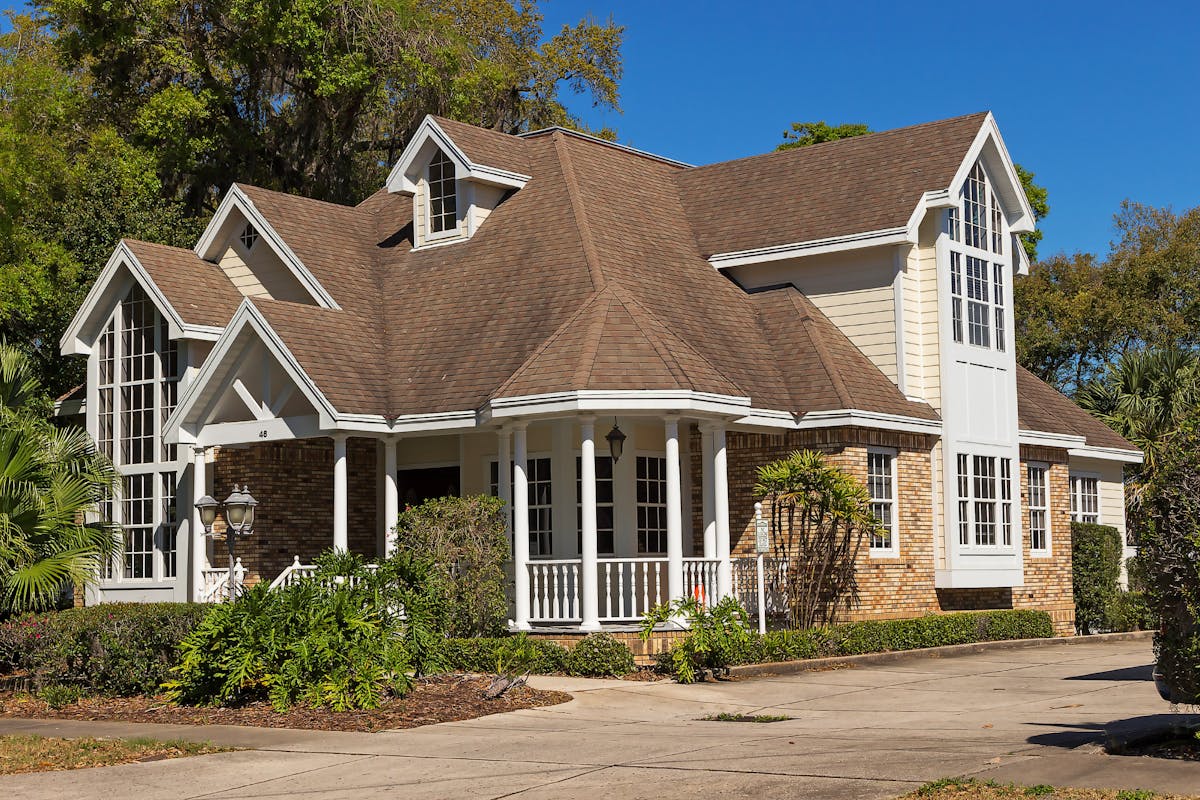
The Termite Threat in Broward County
Broward County homeowners face one of the most severe termite environments in the United States. The combination of year-round warmth, abundant moisture from canals and seasonal rainfall, and a landscape dominated by wood-framed construction creates ideal conditions for multiple termite species to thrive simultaneously. Fort Lauderdale, Hollywood, and Pembroke Pines all report consistent termite pressure throughout the year — not just during spring swarm season.
Understanding the difference between the termite species active in Broward County is critical because each requires a fundamentally different treatment approach. Hiring a company that treats all termites the same way will cost you time, money, and potentially your home's structural integrity.
Formosan Subterranean Termites: Broward County's Most Destructive Pest
Formosan subterranean termites (*Coptotermes formosanus*) are widely considered the most destructive insect in North America, and they are well-established throughout Broward County. First introduced to South Florida through infested lumber following World War II, Formosan termites have spread throughout Fort Lauderdale, Hollywood, Hallandale Beach, and the western communities of Pembroke Pines and Miramar.
What Makes Formosan Termites So Dangerous
A mature Formosan colony contains millions of workers — compared to a few hundred thousand for native subterranean species. This massive colony size means Formosan termites can damage a structure at a rate many times faster than other termite species. A home that might show minimal damage from native subterranean termites over several years can sustain severe structural damage from a Formosan colony in a fraction of that time.
Formosan termites are also more aggressive foragers than native subterranean species. They build extensive tunnel networks through soil, penetrating concrete cracks and expansion joints to reach wood above. In Broward County's concrete block construction, they exploit any gap or crack to reach wood framing, roof trusses, window and door frames, and even paper-backed drywall.
Signs of Formosan Termite Activity in Fort Lauderdale Homes
• Mud tubes: Pencil-width tunnels of mud along foundation walls, piers, and utility penetrations leading from the soil to wood
• Carton nests: Formosan termites sometimes build above-ground nests (cartons) made of chewed wood, soil, and excrement inside wall voids and around plumbing — a behavior unique to this species
• Swarmer activity: Broward County sees Formosan swarms primarily in spring and early summer, often at night around lights. The alates (swarmers) are yellowish-brown with two equal-sized wings.
• Hollow wood: Tapping structural wood with a screwdriver and hearing a hollow sound indicates consumption from within
• Damaged wood: Secondary signs include galleries visible in damaged wood along beam edges and framing joints
Formosan Treatment: Liquid Termiticide and Baiting
Effective Formosan treatment in Broward County requires a ground-level intervention because these termites live and forage through the soil. The two primary professional approaches are:
Liquid Termiticide Treatment (Soil Treatment): A continuous chemical barrier is created around the structure by trenching and rodding termiticide into the soil around the foundation perimeter. Products like Termidor (fipronil) and Altriset (chlorantraniliprole) are non-repellent — termites pass through the treated zone and carry the active ingredient back to the colony, eliminating it from within. This is the most immediately effective method for active Formosan infestations in Fort Lauderdale and Hollywood.
Termite Baiting Systems: In-ground bait stations placed around the property intercept foraging Formosan workers. Stations contain monitoring material initially; when activity is detected, the material is swapped for termite bait that workers carry back to the colony. Systems like the Sentricon system have an excellent track record in Broward County.
Drywood Termites: The Hidden Threat Above Ground
While Formosan termites attack from the soil, drywood termites (*Incisitermes snyderi* and related species) infest wood directly — no soil contact required. They are the reason that pre-purchase WDO inspections in Broward County so frequently identify active infestations: they can be present in any wood component of the home, from attic framing to furniture.
Identifying Drywood Termites
The telltale sign of drywood termites is frass — tiny, hard, pellet-shaped excrement that they push out of galleries through small kick-out holes. If you find piles of what looks like tiny wood-colored seeds beneath windows, door frames, or in closet corners, you almost certainly have drywood termites.
Drywood swarms occur primarily in late summer and fall in Broward County, when alates emerge through kick-out holes in significant numbers, often around doors and windows.
Drywood Treatment Options
Fumigation (Tenting): The most comprehensive treatment for drywood termites. The entire structure is covered with a tent and filled with sulfuryl fluoride gas, which penetrates all wood in the structure and eliminates every drywood termite present. Required for severe or widespread infestations. Broward County homes undergo fumigation regularly — it remains the gold standard for complete drywood termite elimination.
Local (Spot) Treatments: For localized, confirmed drywood infestations, spot treatments using injected termiticide or high-heat application can be effective without whole-structure fumigation. Requires confirmed identification of all infested areas.
Orange Oil: Di-limonene products are sometimes used for spot treatments. Effectiveness is limited to directly treated areas and is not appropriate for widespread infestations.
Why Broward County Homes Are Especially Vulnerable
The construction styles prevalent in Fort Lauderdale, Hollywood, and Pembroke Pines create specific vulnerabilities:
• Concrete block construction with wood framing: The wood trusses, blocking, and framing above the block walls are vulnerable to Formosan attack through any crack in the block or penetration around plumbing
• Barrel tile roofs: Gaps at the eaves and at the first tile course create entry points for drywood swarmers
• Lush landscaping: Mulch, wood chip landscaping, and wood landscape timbers adjacent to foundations attract and sustain Formosan colonies
• Age of housing stock: Much of Hollywood and Fort Lauderdale's residential housing dates to the 1950s-1980s, before modern termite treatment standards
FDACS Licensing Requirements
All termite treatment companies operating in Broward County must hold valid Florida Department of Agriculture and Consumer Services (FDACS) licenses. Ask for the company's license number and verify it on the FDACS website before any treatment begins. Fumigation requires a separate Fumigation Supervisor certification. Never allow unlicensed contractors to perform termite work — improper treatment wastes money and can leave your home unprotected.
Call for a Free Inspection
If you suspect termite activity in your Fort Lauderdale, Hollywood, or Pembroke Pines home — or if you simply haven't had an inspection in the past year — don't wait. Termite damage progresses silently, and early intervention is far less costly than structural repair. Call (954) 903-4362 today to schedule your Broward County termite inspection. Our FDACS-licensed technicians will thoroughly evaluate your home and provide honest, written recommendations.