Palmetto Bug vs. Cockroach in Broward County: What's the Difference and How to Get Rid of Them
"Palmetto bug" means something specific in Broward County — and treating it the same way as a German cockroach infestation will fail. Here's what you actually have and how to eliminate it.
What Is a Palmetto Bug?
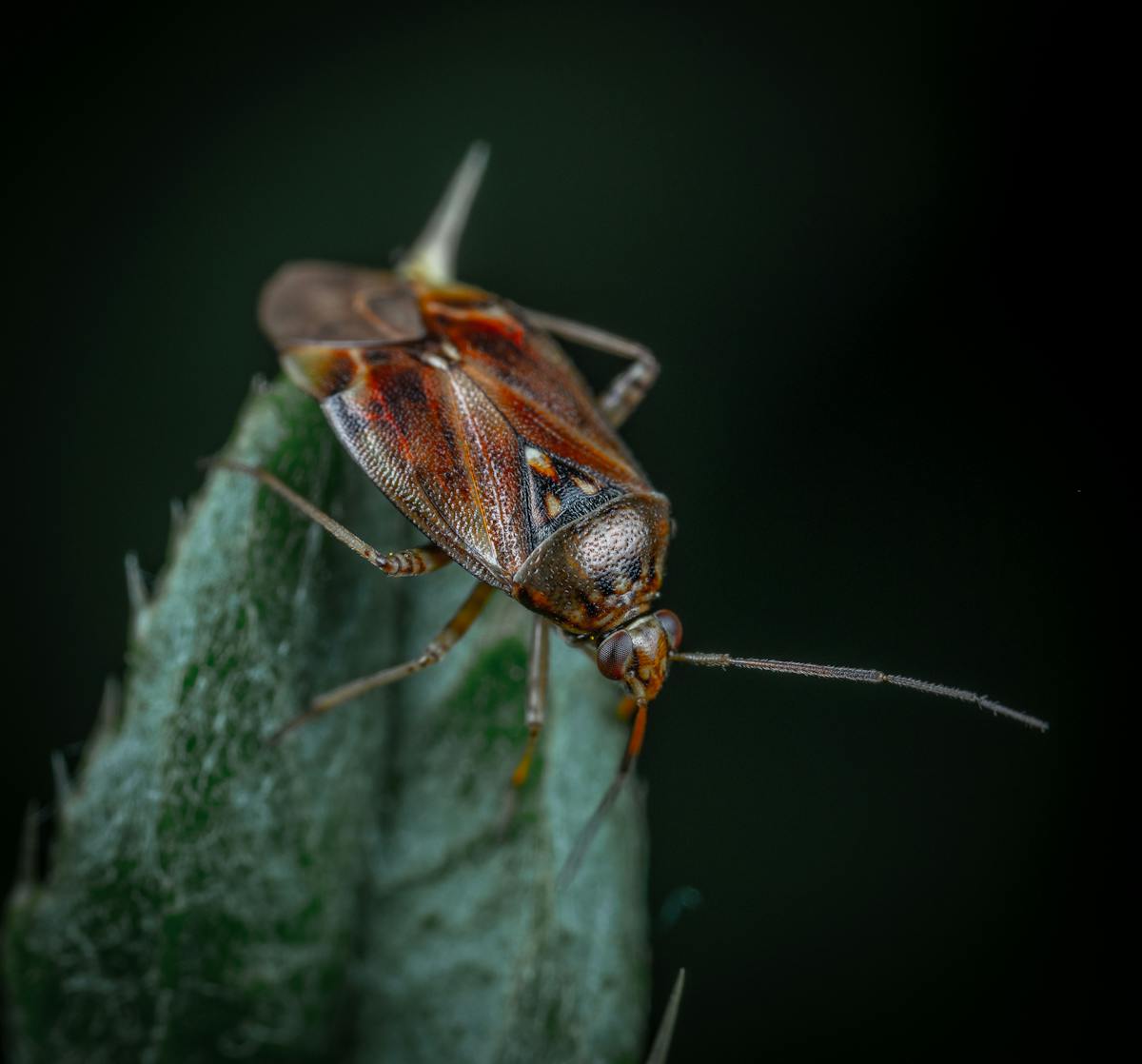
When Broward County residents talk about a "palmetto bug," they are almost always describing one of three large cockroach species: the American cockroach (*Periplaneta americana*), the Australian cockroach (*Periplaneta australasiae*), or the smoky brown cockroach (*Periplaneta fuliginosa*). All three are large — typically 1.5 to 2 inches or more — reddish-brown to dark brown, fully capable of flight in warm conditions, and primarily outdoor insects that enter homes occasionally rather than breeding inside.
Fort Lauderdale, Hollywood, Deerfield Beach, and Pompano Beach residents encounter palmetto bugs regularly, particularly near drains, canal seawalls, palmetto plantings, and on warm evenings when outdoor activity is high. The American cockroach is by far the most common species in Broward County — the one that appears out of nowhere on your back porch, flies toward your outdoor lighting, and makes its way inside through any available gap on a rainy summer night.
These are not small insects. A large American cockroach can reach two inches in length, and seeing one up close — especially one that takes flight — is understandably alarming. But understanding what they are and where they come from is the first step to managing them effectively.
The Critical Distinction: Palmetto Bug vs. German Cockroach
This is the single most important pest identification distinction in Broward County, and getting it wrong leads directly to ineffective treatment, wasted money, and ongoing frustration.
German cockroaches (*Blattella germanica*) are small — about half an inch long — tan to light brown, and marked with two distinctive dark parallel stripes running behind the head. They do not fly. They live exclusively indoors, breeding in kitchens and bathrooms. German cockroaches arrive in your home inside cardboard boxes, in grocery bags, in used appliances, or in furniture — and once inside, they have no reason or inclination to leave. Finding German cockroaches in your kitchen means you have an active indoor breeding infestation that requires intensive professional treatment: gel bait deployed in harborage areas, insect growth regulators, and multiple service visits.
American cockroaches (palmetto bugs) are large, reddish-brown, capable of flight, and primarily outdoor insects. They live in Broward County's sewer system, storm drains, palmetto thatch, mulch beds, and moist organic material throughout Fort Lauderdale, Hollywood, and Pompano Beach. They enter homes as occasional visitors seeking shelter from rain, heat extremes, or flooding — not as permanent residents establishing an indoor colony.
Seeing one palmetto bug in your kitchen means it found an entry point from outside. Seeing German cockroaches in your kitchen means you have an active breeding population inside your walls.
The treatment for each is completely different. A perimeter spray effective against palmetto bugs will do nothing against an established German cockroach population in your cabinet voids. Gel bait placed for German cockroaches will not stop palmetto bugs entering through your floor drains. Accurate identification before treatment is not optional — it is the foundation of everything that follows.
Why Broward County Has High Palmetto Bug Pressure
Several characteristics of Broward County's environment create exceptionally high ambient palmetto bug populations compared to most of the United States.
Year-round warmth: American cockroaches are active above approximately 70°F. In Fort Lauderdale, temperatures stay above this threshold every month of the year, meaning there is no winter dormancy period to reduce outdoor populations. The population that builds through the summer never truly crashes.
Extensive sewer and drainage infrastructure: Broward County's sewer and storm drain systems support enormous American cockroach populations year-round. Fort Lauderdale, Hollywood, and Pompano Beach all have extensive drainage infrastructure, and the cockroaches living in these systems periodically move into adjacent structures through any available opening.
Abundant outdoor habitat: The palmetto plantings, royal palms, queen palms, coconut palms, tropical landscaping, and mulched garden beds throughout Broward County residential neighborhoods provide ideal outdoor harborage for large cockroach populations. Every untrimmed palm skirt is potential palmetto bug habitat.
High ambient moisture: Broward County's canals, summer rainfall, irrigation systems, and humidity create the moist conditions American cockroaches thrive in. Communities along the Intracoastal Waterway — Fort Lauderdale, Dania Beach, Hallandale Beach, Pompano Beach — and near the Everglades western boundary — Pembroke Pines, Miramar, Weston — see particularly high palmetto bug pressure due to proximity to wetland habitat.
How Palmetto Bugs Enter Your Broward Home
American cockroaches do not spontaneously appear inside your home — they enter through specific structural gaps. The most common entry points in Broward County's housing stock are:
• Worn door sweeps: The gap under an exterior door with a compressed or worn sweep is one of the most common palmetto bug entry routes.
• Open floor drains: Garage floor drains, laundry room drains, and other floor-level drains that connect directly to the sewer system are a primary palmetto bug highway.
• Pipe penetrations through the slab: Gaps where plumbing pipes pass through the concrete slab are rarely fully sealed and provide direct access from the crawlspace or soil beneath.
• Weep holes in concrete block (CBS) construction: The standard Broward County construction method uses concrete block (CBS) walls with weep holes left open for moisture drainage. These small holes are a frequent palmetto bug entry route.
• Sliding glass door tracks: The gap at the base of sliding glass door frames, particularly in older Fort Lauderdale and Hollywood homes with aging weather stripping.
• AC line penetrations: The hole where refrigerant lines pass through the exterior wall is rarely sealed airtight and provides easy access.
• Damaged pool cage screens: A single torn panel in a pool enclosure screen allows palmetto bugs direct access to the lanai and from there to interior doors.
What a Sighting Really Means
One palmetto bug occasionally: This is a visitor, not an infestation. An American cockroach found a gap and came inside. It does not mean your home is infested or that other cockroaches are breeding inside your walls. Seal the most likely entry points, replace the door sweep if worn, and monitor for repeat occurrences.
Multiple palmetto bugs over multiple weeks: Active entry points need to be identified and addressed. The outdoor population near your home is high enough that bugs are finding their way in repeatedly.
Bugs appearing during the day: American cockroaches are primarily nocturnal. Daytime activity typically indicates a large outdoor population under pressure — often from rain flooding their outdoor harborage sites — or a specific entry point very close to moist vegetation.
Bugs found in kitchen or bathroom cabinets near pipes: Worth inspecting carefully for German cockroaches at the same time. This location is a German cockroach harborage site if they are present. The two species are not mutually exclusive.
The Sewer Source Problem in Older Broward Neighborhoods
Parts of Fort Lauderdale, Hollywood, and older areas of Pompano Beach have sewer infrastructure dating to the 1950s and 1960s. In these neighborhoods, broken sewer cleanout caps left open on exterior walls, compromised pipe joints in aging clay sewer lines, and improperly seated toilet wax rings create direct pathways from the sewer system into homes.
When the source of repeated palmetto bug entry is the sewer system rather than the foundation exterior, pest control treatment alone provides limited results. The fix requires a plumbing assessment to identify and close the sewer access point. A professional pest inspection can identify if sewer access is the primary source by inspecting floor drains, cleanouts, and the area around bathroom floor fixtures.
Treatment Strategy for Broward County Palmetto Bugs
Effective palmetto bug management combines exterior population reduction with exclusion to prevent entry.
Exterior perimeter treatment is the primary defense: granular bait applied in mulch beds and around the foundation, residual perimeter spray targeting foundation weep holes, door thresholds, and utility entry points, and bait stations placed in protected locations near downspouts, drains, and mulched areas. Non-repellent products are preferred — American cockroaches that contact treated surfaces carry the active ingredient back toward the colony before dying.
Exclusion: Replacing worn door sweeps with tight-fitting replacements is one of the highest-impact actions you can take. Caulking all visible pipe penetrations through the slab or foundation. Installing drain covers over floor drains in garages and laundry areas. These mechanical fixes provide permanent improvement that no pesticide application alone can match.
Maintenance frequency: In Broward County's year-round warm climate, there is no off-season for palmetto bug pressure. A quarterly exterior perimeter service maintains the treatment barrier year-round, preventing population buildups between services.
They Can Fly — Here's What You Need to Know
American cockroaches are capable fliers, but they primarily fly when conditions are hot and humid — air temperature above 85°F is a general threshold. This means Broward County's summer evenings from June through September are the primary fly-in season. A palmetto bug attracted to outdoor porch lighting or the light visible around a doorframe will sometimes fly directly toward it.
Reducing the brightness of exterior lighting near entry points — particularly near sliding glass doors and main entry doors — reduces the attraction. Replacing bright white outdoor bulbs with yellow or sodium vapor bulbs is less attractive to flying insects generally. Ensuring that gaps around exterior light fixtures in soffits and overhangs are sealed reduces the chance that a bug on the soffit finds an entry into the attic or wall void.
Broward County Seasonal Pattern
May through October: Peak activity. Hot temperatures, summer rain events flooding outdoor harborage sites, and abundant moisture drive maximum cockroach activity and home entry attempts. The weeks immediately following heavy tropical rain are when Broward County residents most frequently find palmetto bugs inside.
November through April: Lower activity level, but year-round population sustains at a meaningful level. American cockroaches do not disappear in the dry season — they shelter in palmetto thatch, mulch, and sewer infrastructure and continue to pressure structures at a lower rate.
Year-round quarterly service is the most effective approach in Broward County's subtropical climate. A single annual or semi-annual treatment leaves gaps that the continuous local population exploits.
Frequently Asked Questions
Why do palmetto bugs fly toward me?
They are attracted to body heat, the carbon dioxide you exhale, and light sources. Flying toward a person is not aggression — it is orientation toward attractants.
Is a palmetto bug the same as an American cockroach?
Yes. "Palmetto bug" is the regional Florida name for large outdoor cockroaches, primarily the American cockroach. The same insect, two names.
Does seeing one palmetto bug mean I have an infestation?
No — a single American cockroach is a visitor that found a gap, not evidence of an indoor breeding colony. Repeated sightings over multiple weeks indicate entry points that need addressing.
How do I seal the gap around my AC line in concrete block?
Use an expanding foam sealant rated for exterior use, or pack with copper mesh followed by caulk for a more durable seal in Broward County's outdoor conditions.
Call for an Assessment Today
Whether you're seeing palmetto bugs occasionally or repeatedly, our licensed technicians will identify your entry points, recommend the right combination of perimeter treatment and exclusion, and maintain the protection your Broward County home needs year-round. Call (954) 903-4362 today to schedule an assessment. We serve Fort Lauderdale, Hollywood, Pembroke Pines, Coral Springs, Deerfield Beach, Pompano Beach, Weston, Miramar, Davie, Hallandale Beach, and all of Broward County.